Chennai
Holiday Inn Chennai OMR IT Expressway
Explore Chennai
Global D2C Club / PRESENTS
International D2C Conclave — Mumbai 2027
Holiday Inn Chennai OMR IT Expressway
Explore ChennaiWelcomhotel By ITC Hotels, Ashram Road, Ahmedabad
Explore AhmedabadFairfield by Marriott Mumbai International Airport
Explore MumbaiHoliday Inn Bengaluru Racecourse by IHG
Explore Bengaluru01 / SECURE YOUR PLACE
Join founders, investors and operators in Mumbai. Silver excludes lunch and Gold includes lunch.
One combined package and one payment. Includes Gold Delegate access.
+ GST (18%). Total ₹41,300.
02 / FOUNDER DIRECTORY
Explore founders and leaders from the wider D2C ecosystem. The complete Mumbai programme is shown below.

Co-founder
The Sleep Company
Co-founder & CEO
Purplle
Co-founder
Dot & Key
Co-founder & CEO
FreshToHome
Co-founder
Myntra
Co-founder
newme
Co-founder
Perfora
Founder & CEO
Nish Hair
Co-founder
Skippi
Founder
Wakao
Co-founder
Aastey
Co-founder
COSIQ
Co-founder
Avimee Herbal
Co-founder
Avimee Herbal
Co-founder
Blue Tea
Co-founder
Urban Space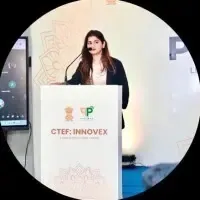
Co-founder
PawsIndia
Founder & Chief Didi
FarmDidi
Co-founder & Director
ARTiNCi
Founder & CEO
The Moms Co.
Co-founder
The Sleep Company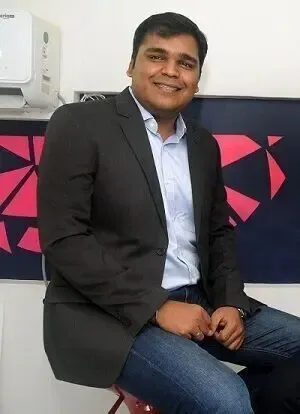
Co-founder & COO
Purplle
Founder; former CEO
RAGE Coffee
Co-founder & COO
FreshToHome
Co-founder & CEO
newme
Founder & CEO
Chaayos
Co-founder
Perfora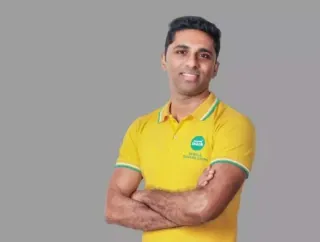
Co-founder & MD
Beyond Snack
Co-founder & COO
Skippi
Co-founder
The State Plate
Co-founder
ARATA
Co-founder
COSIQ
Co-founder
Avimee Herbal
Co-founder
Avimee Herbal
Founder
Koparo
Co-founder
Urban Space
Co-founder
PawsIndia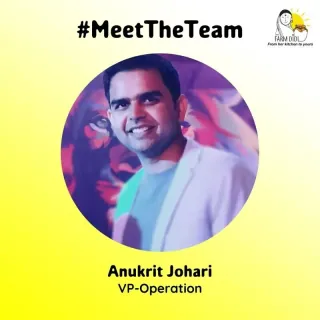
Co-founder
FarmDidi
Founder & CEO
WickedGud
Founder & CEO
The Moms Co.
Founder
CaratLane
Co-founder & CTO
Purplle
Founder & MD
Ferns N Petals (FNP)
Founder
Myntra
Co-founder
newme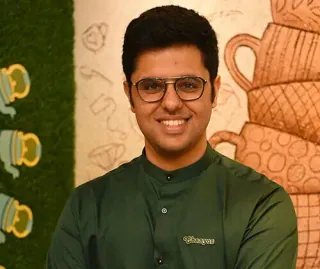
Co-founder
Chaayos
Founder
Bummer
Co-founder
Beyond Snack
Co-founder & CEO
TAGZ Foods
Co-founder
The State Plate
Co-founder
ARATA
Founding Principal
Amrutam
Co-founder
Avimee Herbal
Founder & MD
Auli
Founder & Director
Nestroots
Founder
Rare Planet
Co-founder
Nuutjob
Co-founder & CTO
FarmDidi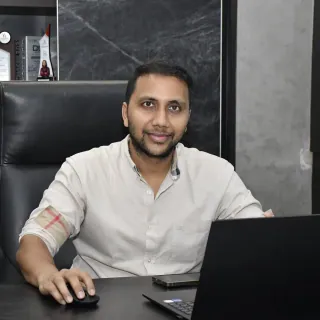
Founder & Director
ZOFF Foods
Founder
HOMESTRAP
Co-founder
CaratLane
Co-founder & CIO
Dot & Key
Co-founder, Director & Creative Head
Ferns N Petals (FNP)
Co-founder
Myntra
Co-founder
newme
Founder & CEO
SNITCH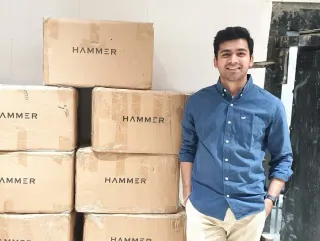
Founder & COO
HAMMER
Co-founder
Beyond Snack
Co-founder
TAGZ Foods
Co-founder & CEO
Aastey
Founder & CEO
FAE Beauty
Founding Principal
Amrutam
Co-founder
Avimee Herbal
Co-founder
Blue Tea
Co-founder
Nestroots
Co-founder
Rare Planet
Co-founder
Nuutjob
Co-founder & CEO
ARTiNCi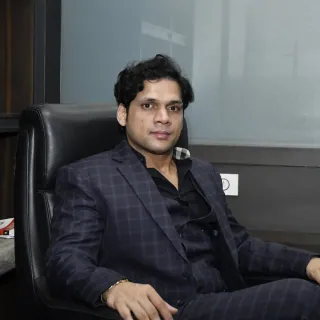
Founder & Director
ZOFF Foods
Founder
HOMESTRAP03 / THE COMMUNITY
Scenes from the Global D2C Club event gallery.
04 / WHY ATTEND?
One focused day to create better brands, learn what works and connect with people who can move your next step forward.
05 / FULL MUMBAI AGENDA
The shared Mumbai main-room programme for 23 January 2027. All 18 sessions are shown below, with D2C sessions highlighted. Times are in IST.
An investor can see strong sales while a single customer controls renewals, product requirements or market access. The panel will separate booked revenue from a resilient business, test contract and pipeline evidence, and ask when an MSME supplier's exposure to one anchor buyer changes the investment case. Attendees leave with a concentration-risk decision checklist, not a generic funding forecast.
Mumbai founders and family-owned companies often seek capital without surrendering operating control. Investors will discuss how to map group-company dealings, identify which decisions need independent review, and set reporting and consent rules without paralysing the business. The audience gets a practical way to distinguish ordinary group support from a transaction that changes the minority investor's economics; private deal rights remain a discussion, not an asserted fact.
A chain can show profitable units while relying on another company for brand, territory and renewal rights. Investors will separate unit performance from the franchise agreement, challenge the expansion model, and decide what happens if terms change. Mumbai's retail and food-service investors can leave with a rights-and-unit checklist that covers royalty sensitivity, territory concentration and renewal exposure, without presuming any company's private terms.
A Mumbai-region supplier may have capacity but still lack evidence a large buyer can verify. Owners and procurement leaders will prioritise quality records, subcontractor controls, traceability and escalation routes needed before a trial order. They will decide what to build now and what to negotiate with the buyer, producing a focused audit-readiness checklist rather than another broad discussion of MSME growth or delayed invoices.
A digital bestseller can fail when shoppers cannot search for it, packaging cannot explain it, or a store's working capital is tied up in the wrong variant. D2C founders and retailers will decide which SKUs deserve an offline pilot, what proof to gather by neighbourhood and store type, and when to stop. Attendees leave with criteria for shelf productivity, replenishment and customer discovery instead of a generic omnichannel growth story.
Teams can swap an API and still break accuracy, cost, language handling or data rules. Applied AI builders will decide which functions need a fallback, what must be tested before routing traffic, and who can stop a bad substitution. A Mumbai enterprise buyer and startup can use the resulting acceptance criteria during procurement. The discussion distinguishes provider resilience from a simple list of model features.
Demand forecasts can suggest where stock belongs, but D2C brands pay for returns, stockouts and stale inventory when the wrong recommendation is followed. Retail operators and AI teams will debate pilot data quality, override rules and a measurable store-level baseline. The discussion will explicitly split 17½ minutes on retail inventory economics and 17½ minutes on forecast evaluation and human checks, so neither side becomes a decorative label.
A founder's audience can become an editorial bottleneck if no one else can source facts, approve claims or answer questions. Founders will design a small content system with named subject experts, review rights and a handover plan. The panel focuses on continuity and accuracy of the company's voice, not platform reach or conversion attribution. The audience should leave with a workable owner-and-approval map.
Participants receive an illustrative company chart, intercompany sales ledger and a proposed minority round. They identify which entities supply staff, property, intellectual property or credit, classify the material flows and set a reporting question for each. They then choose which approvals are essential and which would only slow routine work. The take-home map shows what to investigate before pricing a stake. The exercise uses fictional numbers and does not interpret a real company's private contract.
A fictional customer-support workflow is supplied with ten labelled requests, latency limits and two hypothetical model responses. Teams define a failover trigger, score accuracy and unacceptable errors, then compare cost and data-handling questions. They prepare a rollback decision and a customer-facing incident note. This is a tabletop exercise; actual vendor contracts, regional availability and privacy requirements must be checked separately before deployment.
Participants start with illustrative ex-warehouse cost, freight, duty assumptions, channel margin, returns allowance and currency scenarios. They calculate a range for a proposed foreign retail price, identify which variables require local verification and state a walk-away condition. The exercise stops before legal or tax advice and does not presume a trade agreement. Every team leaves with a landed-cost bridge that explains the price to a potential retail partner.
Teams receive a fictional buyer questionnaire and fragmented shop-floor records. They decide what can be evidenced today, what needs a corrective action and what requires an honest exception. The group assembles a compact pack with ownership, expiry dates and a subcontractor declaration. A peer buyer role-play exposes ambiguous claims. The output is a practical readiness index; meeting a sample checklist does not mean approval by any named corporation.
A fictional Mumbai B2B account has an open pilot, three stakeholder requests and an ambiguous renewal promise. Participants sort confirmed obligations from sales assumptions, identify decision makers, then rehearse a ten-minute handoff with an account owner. A peer plays the customer and tests what the colleague may safely commit to. The takeaway is an evidence-linked brief and escalation rule; it does not prescribe a CRM or claim a real customer was involved.
Participants work with synthetic invoice and web-page snippets containing harmless text and planted instructions. They define the legitimate task, mark the attacker's attempted deviation, then score whether a test assistant ignored, quoted or obeyed the malicious instruction. They add one human check for a high-consequence output. No real invoices or customer data are used. The group leaves with a reproducible attack set and an acceptance rule, not a claim that one guardrail stops every attack.
Teams receive an illustrative digital sales file, store footfall, gross margins and stock turns. They choose a small assortment, define a comparison group and calculate a stop or expand trigger before the pilot starts. The session makes a clear distinction between an online repeat purchase and a first in-store discovery. Teams leave with a short store-pilot scorecard and named data owners. Real-company expansion is used only to frame questions, never as proof that this fictional test will succeed.
A hypothetical parts supplier faces a material substitution, machine change and urgent order. Teams identify which changes affect the customer's approved specification, draft a notice with evidence and route it to an authorised decision maker. They also plan containment for stock already made. The exercise keeps technical acceptance separate from shipping pressure. Participants leave with a change-control log and escalation ladder, not an assertion that a sample notice satisfies any particular buyer's contract.
06 / THE DIFFERENCE
The day is designed to move from ideas to decisions, and from introductions to conversations that can change the trajectory of a brand.
INFORMATION IN MOTION
Tools, products and partnerships move through the room and back to the brands building tomorrow.
Practical insights you can implement immediately.
Connect with founders and industry leaders who are building now.
Meet active investors and create room for the right conversations.
Put your product in front of founders, investors, buyers and partners.
Connect with marketplaces, agencies and growth partners.
Learn what is changing across AI, quick commerce, retail and brand growth.
07 / WHO SHOULD JOIN?
Connect, learn and scale alongside the visionary minds shaping the future of consumer commerce.
Choose your passLooking to scale their business.
Driving customer acquisition and retention.
Expanding across channels.
Looking to discover high-potential brands.
Helping brands grow.
Planning to launch or build a consumer brand.
08 / THE PLATFORM
A focused platform creating more useful rooms for founders, investors and operators across markets.


Global Startups Club organises the shared Mumbai summit.
Contact the organiserThey built the brands everyone knows. You could be the next brand they talk about.
09 / QUESTIONS, ANSWERED
Still have a question? Our team is one call away.
Call +91 9819564031It is a one-day, in-person gathering for founders, e-commerce leaders, investors, operators and the wider consumer-brand ecosystem, with practical conversations on AI, growth, retail, funding and partnerships.
Choose a pass in the pricing section. Silver excludes lunch and Gold includes lunch. Shared summit registration shows the current inclusions, taxes and total before payment.
23 January 2027 at Fairfield by Marriott Mumbai International Airport, from 8:30 AM–6:00 PM IST.
Yes. The agenda shows the shared Mumbai programme, including the sessions on consumer brands, retail and growth.
The programme includes a lunch break and open networking. See the schedule below for the times.
Call +91 9819564031. The team can help with pass fit, partnership enquiries and payment-link support.
10 / NEED MORE INFORMATION?
Speak directly with the team about the programme, pass catalogue or partnerships. Venue: Plot No. 16-B, Samhita Industrial Estate, Andheri–Kurla Road, Mumbai, Maharashtra 400072, India.
Get directionsAn International D2C Conclave child programme at the shared Mumbai summit, presented by Global Startups Club alongside Global Startup Summit on 23 January 2027.